
The real cost of an onsite visit — and the four numbers that reduce it
Most organisations track callout cost and nothing else. Four metrics explain almost all the variance between a cheap onsite programme and an expensive one.
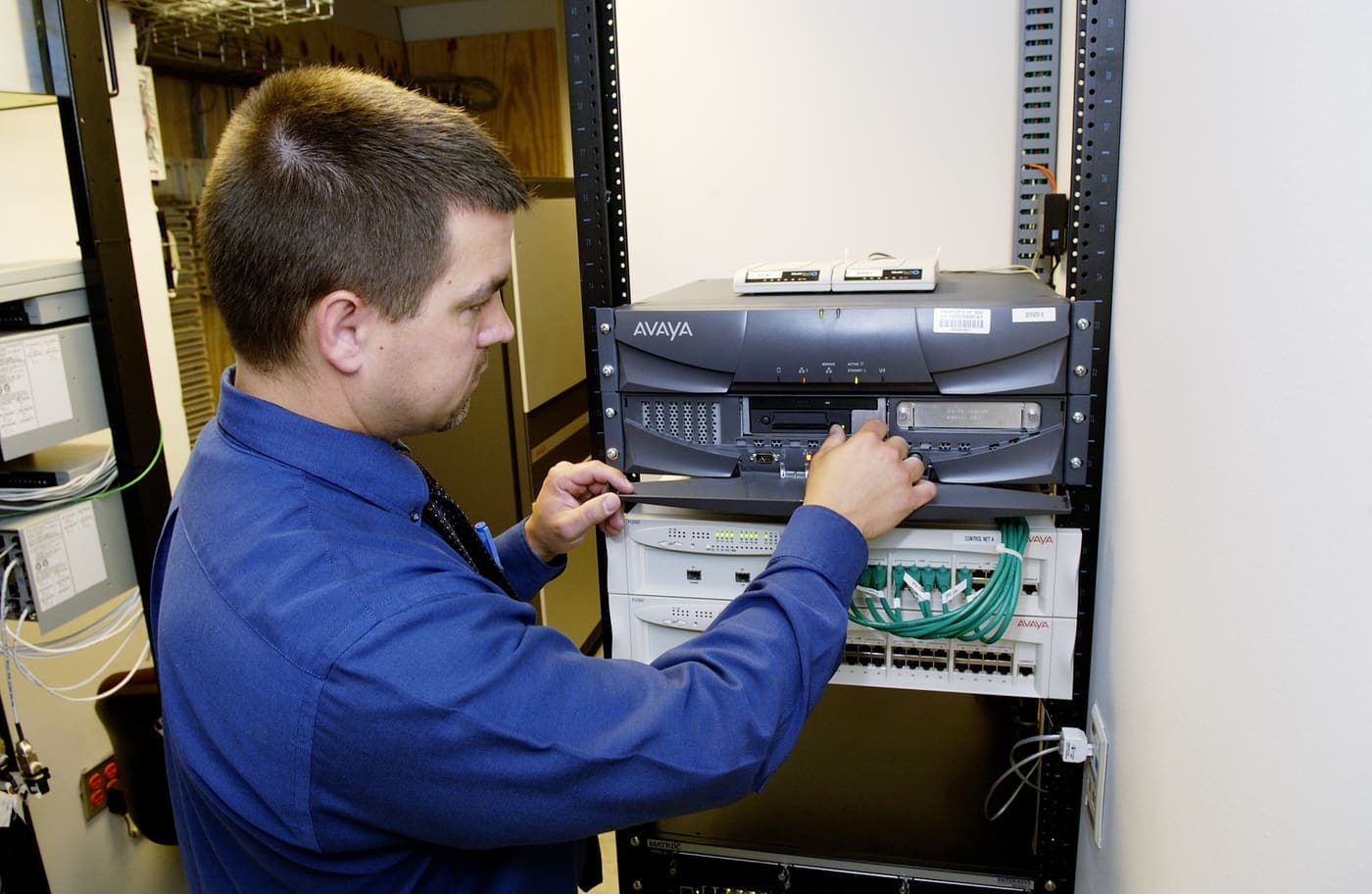
Ask an IT manager what an onsite visit costs and you will usually get the contractor day rate. That number is the smallest part of the real figure. Travel, waiting time, repeat visits caused by missing parts, and the internal coordination effort routinely double it.
One: first-visit fix rate
If an engineer resolves the issue on the first attendance, you pay once. Below about 80%, the second visit — and the ticket ageing that comes with it — becomes the dominant cost in the programme. First-visit fix is mostly a function of information: a documented site, a known spares position and a triage step that confirms the fault before dispatch.
Two: travel radius per site
Coverage looks like a map problem and is actually a contracting problem. Mapping each site to a named engineer within a defined radius, with one named backup, removes the premium you pay for last-minute national dispatch.
The cheapest onsite visit is the one that was prevented by fixing the underlying cause the third time it appeared.
Three: repeat-issue concentration
Group visits by root cause rather than by ticket. In most estates a small number of causes — ageing docks, one unreliable switch, a printer driver — generate a disproportionate share of attendances. Permanent remediation is almost always cheaper than continued visits.
Four: coordination overhead
Count the internal hours spent arranging access, chasing status and updating records. When your provider updates tickets in your ITSM tool and closes with evidence, that overhead largely disappears.
Track these four and the cost conversation stops being about day rates and starts being about volume you no longer need.